

Natural & Organic Farming
At JotRishi Organic Farm, our foundation lies in natural and organic farming practices that are completely free from chemical fertilizers and pesticides. We believe that healthy soil is a living system and the cornerstone of producing pure, nourishing food.
Our farming approach is guided by traditional, cow-based methods that support soil vitality and long-term sustainability. Every stage of cultivation is carried out with care, ensuring that nature’s balance is preserved.
We cultivate a diverse range of crops, including vegetables, fruits, grains, pulses, and sugarcane, along with medicinal plants such as Moringa and Spirulina. The farm is also enriched with a variety of fruit-bearing trees, medicinal herbs, and bamboo plantations, creating a thriving ecosystem rooted in natural abundance.
Bio-Fertilizer and Bio-Pesticides Production
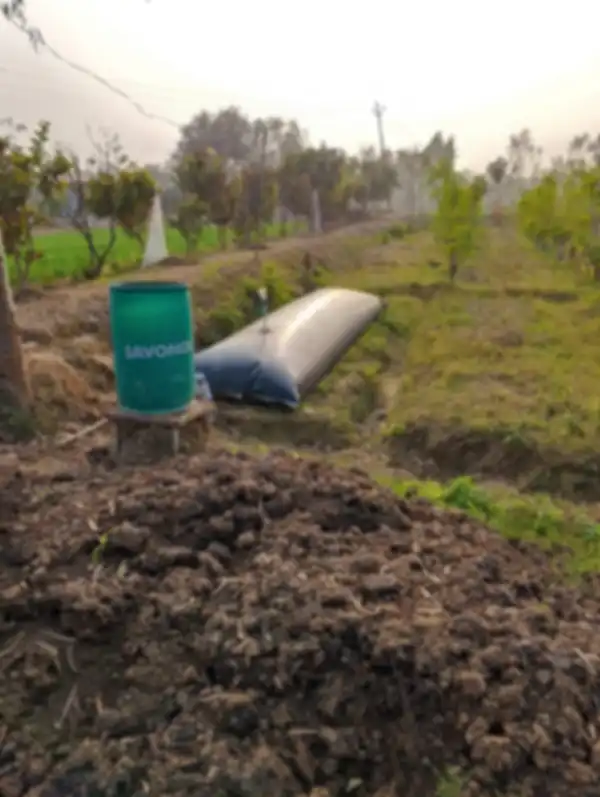
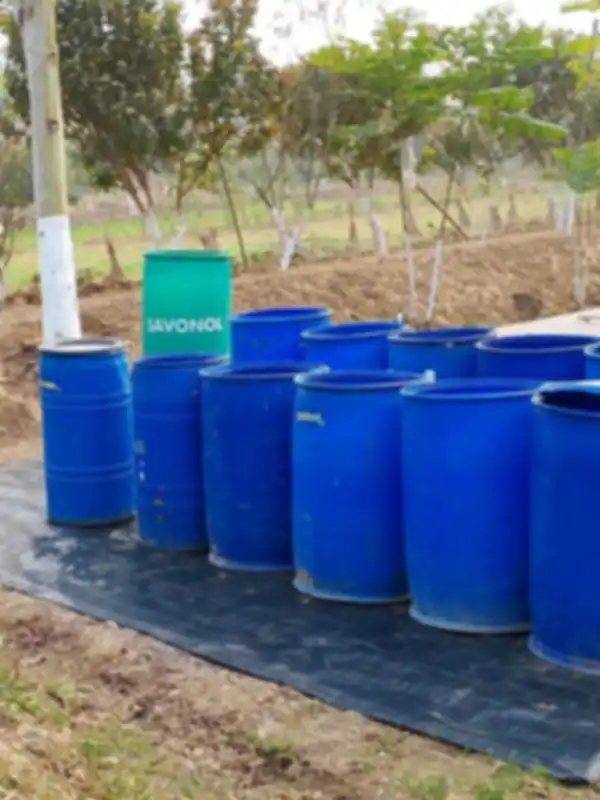
Our bio-fertilizers and bio-pesticides are carefully developed to meet the needs of organic farming. Designed to nurture soil health, strengthen plant vitality, and support sustainable crop protection, our solutions reflect our commitment to purity, performance, and environmental responsibility. These are also made available to the nearby farmers who want to do organic farming. We prepare WDC, Mycorrhiza, Trichoderma, NPK and NWDC Kavach. All these formulas have been prepared by Dr. Krishna Chandra, former Director, National Center for Organic and Natural Farming, Ghaziabad.
Food Forest and Plant Nursery
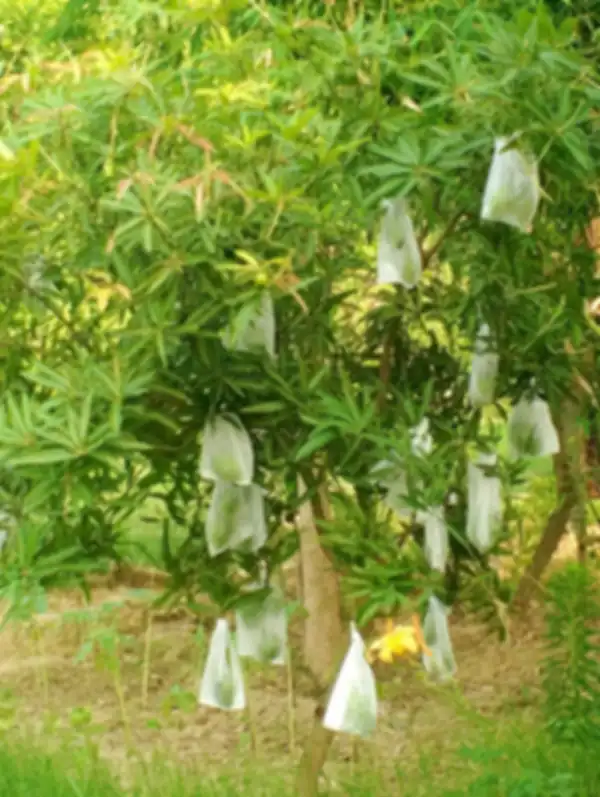
A variety of fruit trees have been planted in a wide strip of land within the farm, and named it as Food Forest. Along with these, there are some timber trees and selected medicinal plants.
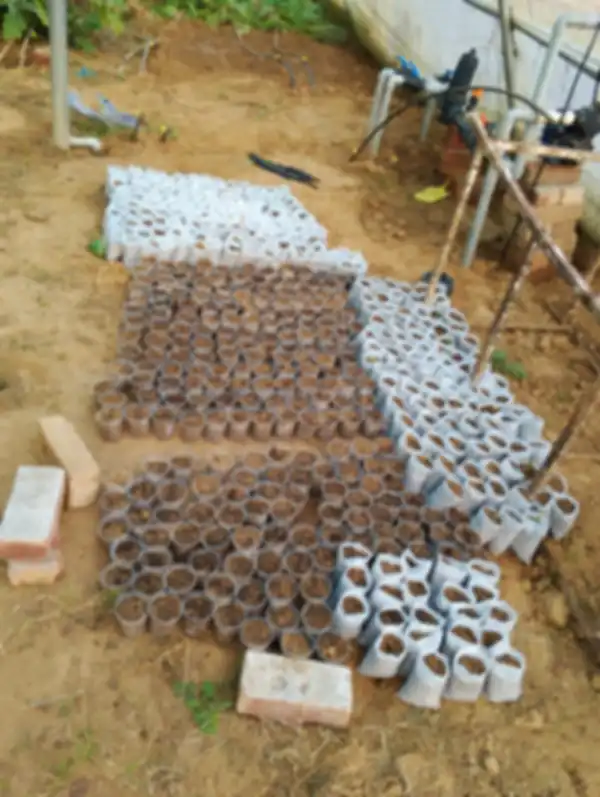
A nursery is being built here for some specific types of trees and plants, from where people will be able to get fruit plants of the right variety. Vegetable plants, flower plants and some ornamental plants will also be available at this nursery.
Soil Testing Lab and Soil Health Improvement
In future a soil testing facility is being provided at JUG to check the quality of farmers’ soil. This will benefit the farmers by knowing the status of soil health deficiency, and accordingly appropriate fertilizer can be suggested crop-wise. Organic farming is not feasible unless the carbon content and pH of the soil are known.